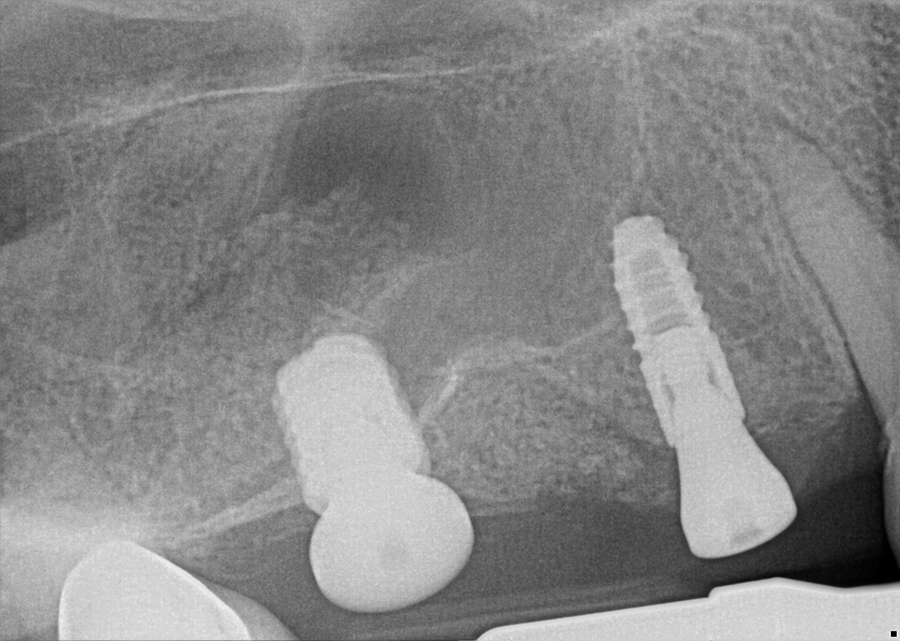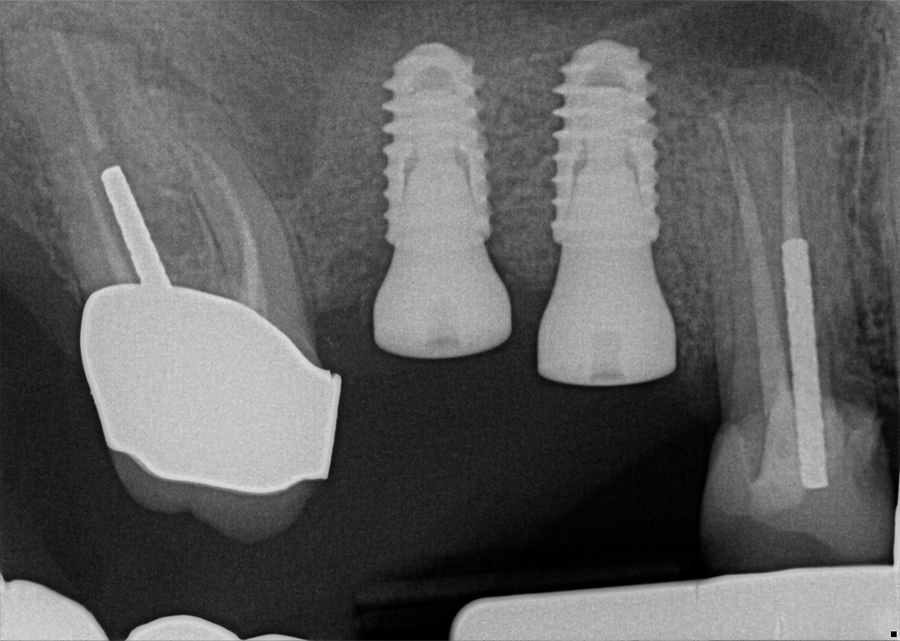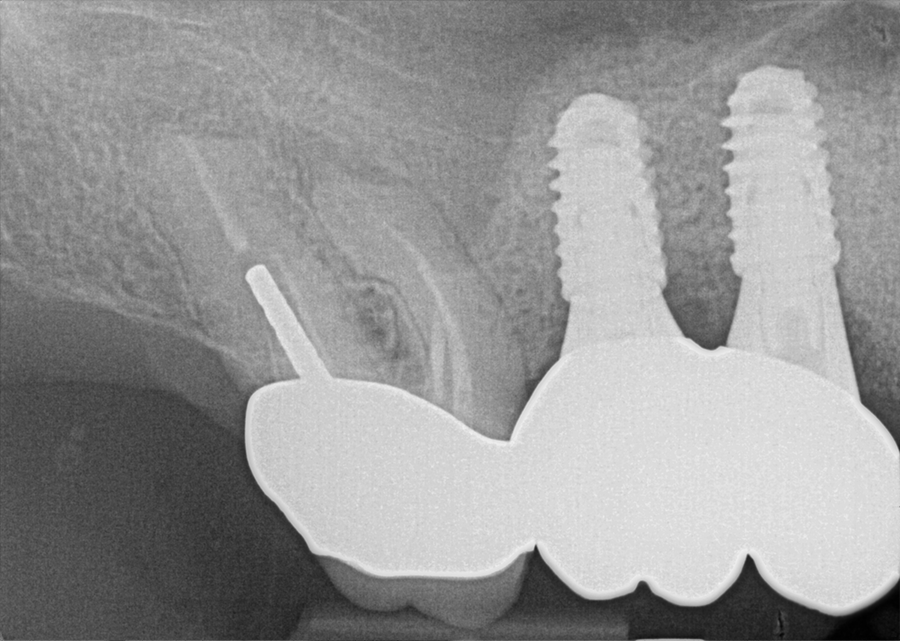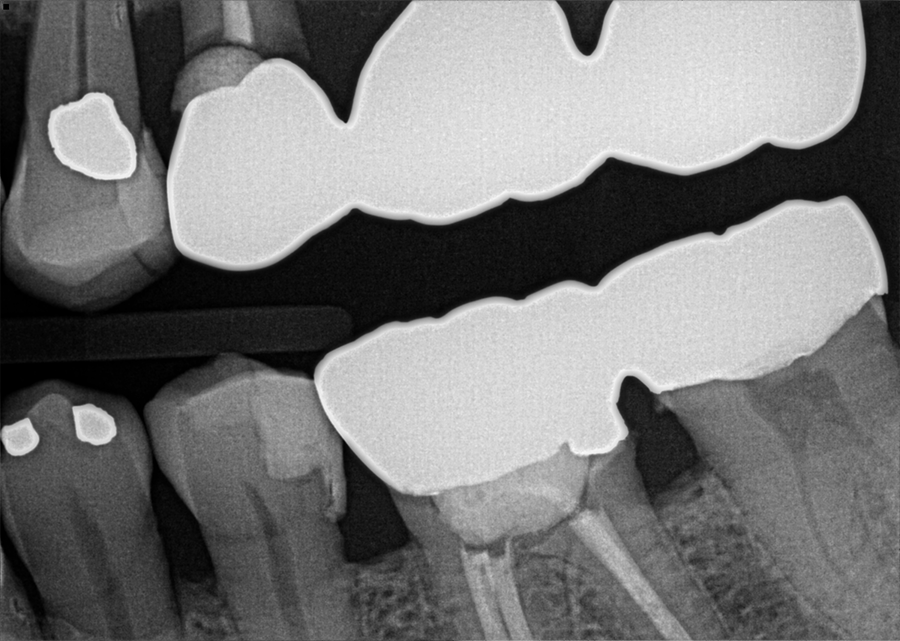
Why Patients Choose Ipswich Bay Dental
-
Advanced restorative dentistry
-
Implant placement and restoration
-
Root canal treatment when appropriate
-
Complex cases coordinated under one roof
A failing dental bridge can often be caused by decay, infection, fracture, or bone loss around the supporting teeth.
At Ipswich Bay Dental, we evaluate your bridge and provide restorative, root canal, surgical, and implant care under one roof.
⭐ Comprehensive Care | Long-Term Solutions | Ipswich Location


Real Patient Cases
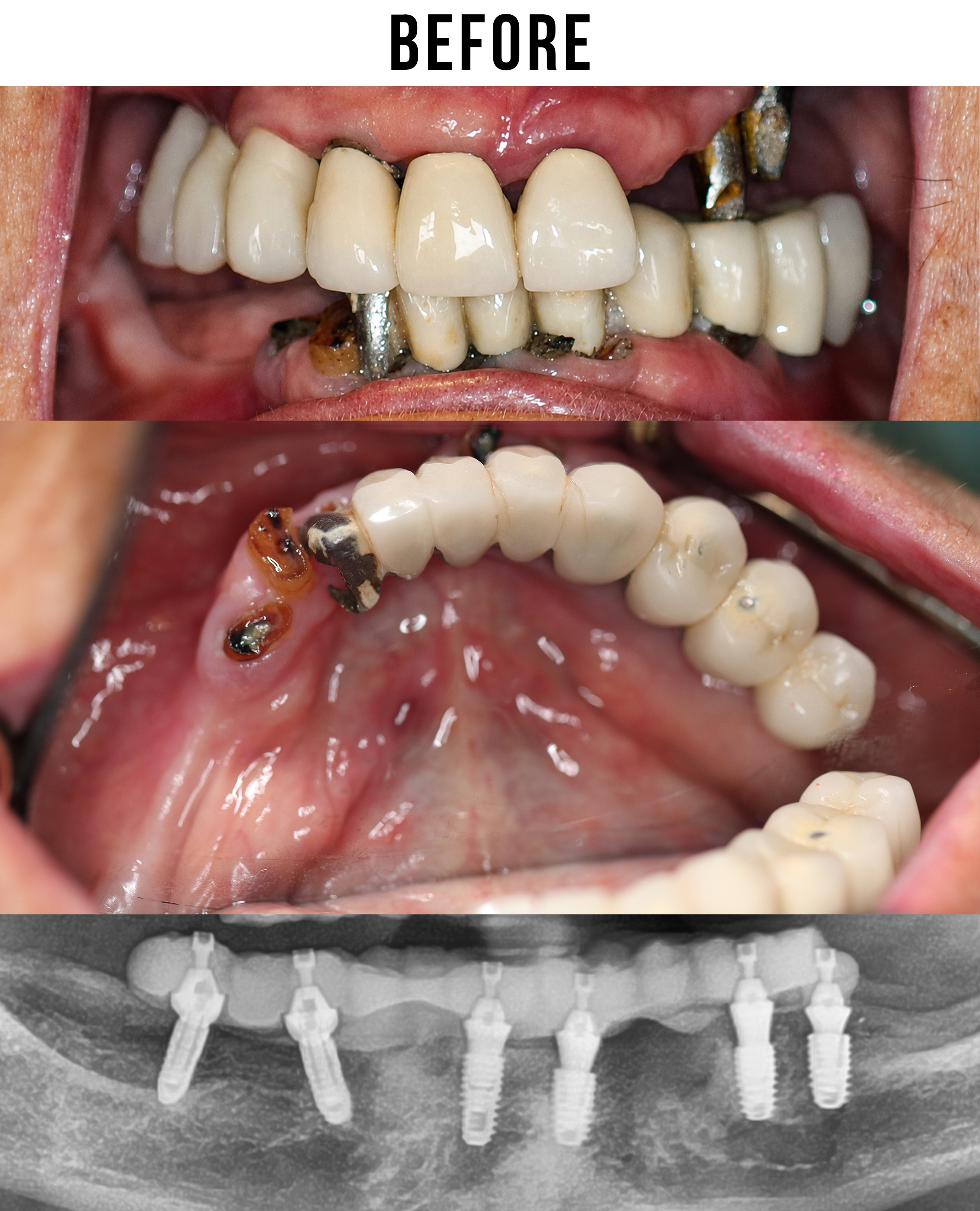
Full Mouth Rescue – Saving What Could Be Saved, Replacing What Couldn’t
This patient came to us with failing restorations, a broken lower bridge, missing teeth, and difficulty chewing comfortably.
For the lower arch, the failing teeth and bridge were removed and replaced with a full-arch implant restoration to restore stability, function, and confidence.
For the upper arch, we took a more conservative approach. Healthy existing implants and teeth with a strong long-term outlook were preserved, while only the hopeless teeth were removed. The upper arch was restored with a combination of fixed restorations and a removable partial denture for improved esthetics and function.
The result is a dramatically improved smile, better chewing ability, and a personalized treatment plan designed around the patient’s specific needs.


The completed bridge restored comfort, function, and appearance, allowing the patient to smile and chew with confidence again.
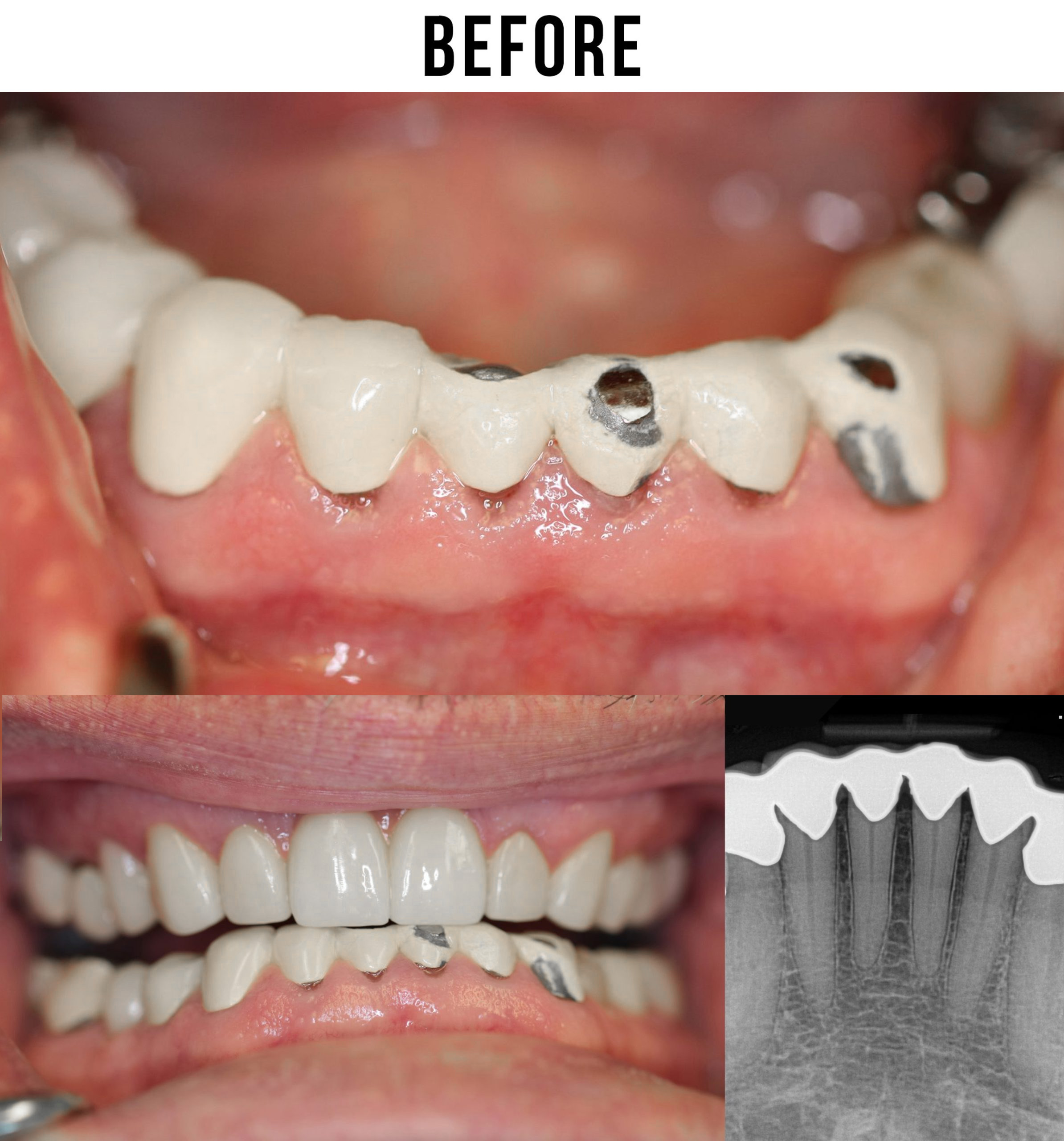
Replacing a Failing Lower Anterior Bridge with Individual Zirconia Crowns
This patient presented with a decades-old porcelain-fused-to-metal (PFM) bridge in the lower anterior region. Over time, the porcelain had fractured and chipped, exposing the underlying metal and compromising both appearance and function.

After careful evaluation, the failing bridge was removed. A laser gingivectomy was performed to improve gingival symmetry and create an ideal foundation for the final restorations. The bridge was then replaced with individual zirconia crowns, allowing for improved esthetics, easier hygiene access, and a more natural appearance.

Replacing a Failing Front Bridge
This patient was born with congenitally missing upper lateral incisors and had been wearing a fixed bridge since her teenage years.
Although the bridge still appeared acceptable when smiling, examination revealed significant wear and fracture of the porcelain on the backside of the restoration. Over time, the bridge had required multiple repairs, and the underlying structure was beginning to fail.

After careful evaluation, the failing bridge was removed. A laser gingivectomy was performed to improve gingival symmetry and create an ideal foundation for the final restorations. The bridge was then replaced with individual zirconia crowns, allowing for improved esthetics, easier hygiene access, and a more natural appearance.

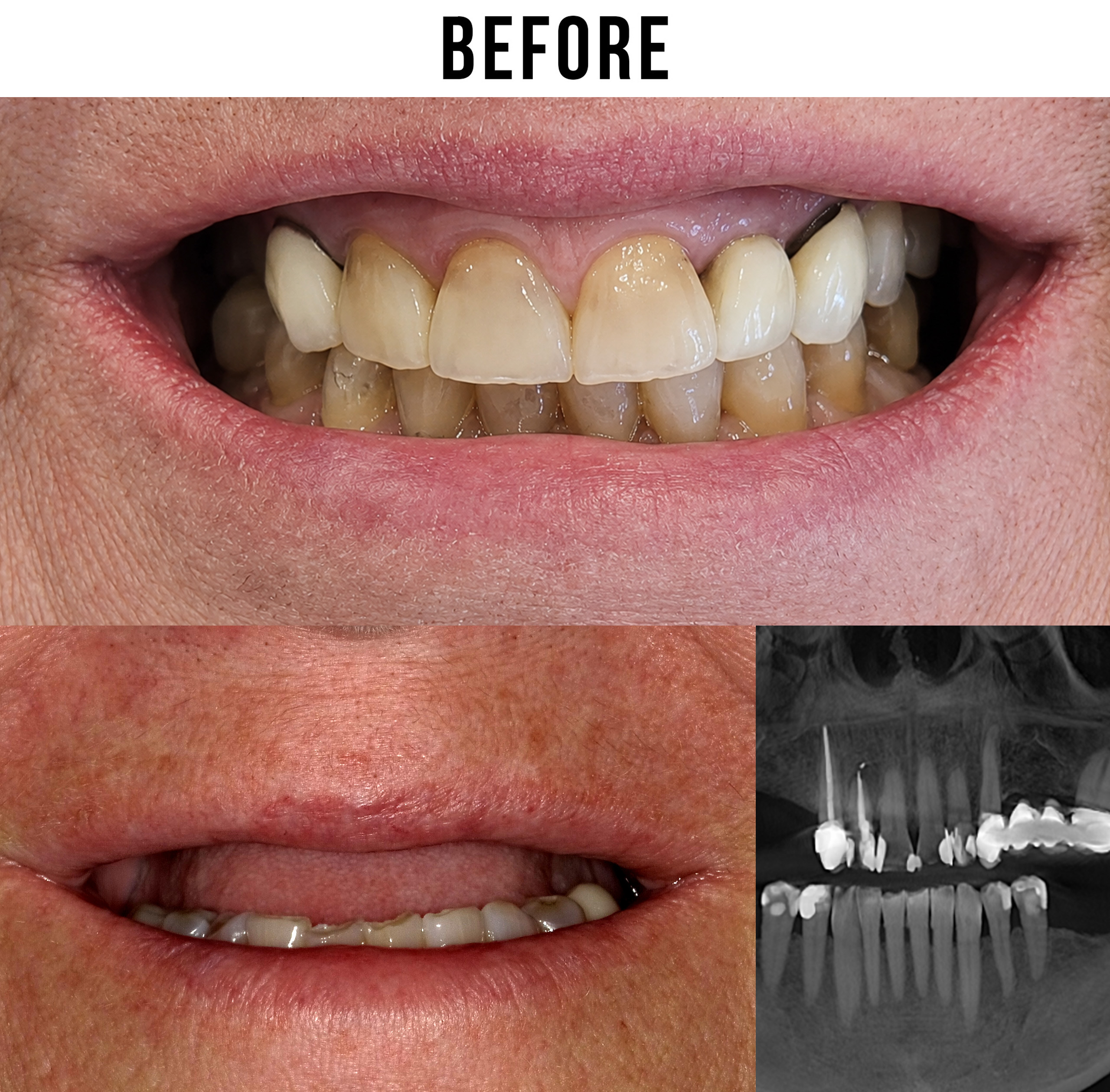
When Repeated Bridge Problems Become a Bigger Issue
The patient presented with an upper dental bridge that had become increasingly difficult to maintain. Over time, the supporting teeth continued to deteriorate and the bridge required repeated attention, making it clear that repairs alone were no longer providing a predictable long-term solution.

After a comprehensive evaluation, it was determined that several of the remaining upper teeth had a poor long-term prognosis. Rather than continuing a cycle of repairs and replacement bridges, the patient chose a more definitive treatment approach.
The remaining upper teeth were removed and a full-arch implant-supported restoration was provided. This allowed the failing bridge and compromised supporting teeth to be replaced with a stable, fixed solution supported by dental implants.

Today, the patient enjoys a secure smile, improved function, and the confidence of knowing she no longer has to worry about the ongoing problems that affected her previous bridge.
When a Hybrid Bridge Keeps Breaking
The patient had an implant-supported hybrid bridge, a type of full-arch restoration that uses acrylic teeth attached to a metal framework. While the implants themselves remained functional, the prosthesis required repeated repairs as acrylic teeth continued to fracture and detach during normal use.
Over time, these ongoing maintenance issues became frustrating and inconvenient. Rather than continuing to repair individual teeth, the patient wanted a more durable long-term solution.

After careful planning, additional implants were placed to strengthen the foundation and support a new full-arch zirconia bridge. Zirconia is significantly stronger than traditional acrylic-based hybrid restorations and is designed to better withstand the forces of everyday chewing.

Today, the patient has a stable, implant-supported zirconia bridge that provides improved durability, function, and confidence, with far less risk of the repeated tooth breakages that affected the previous restoration.
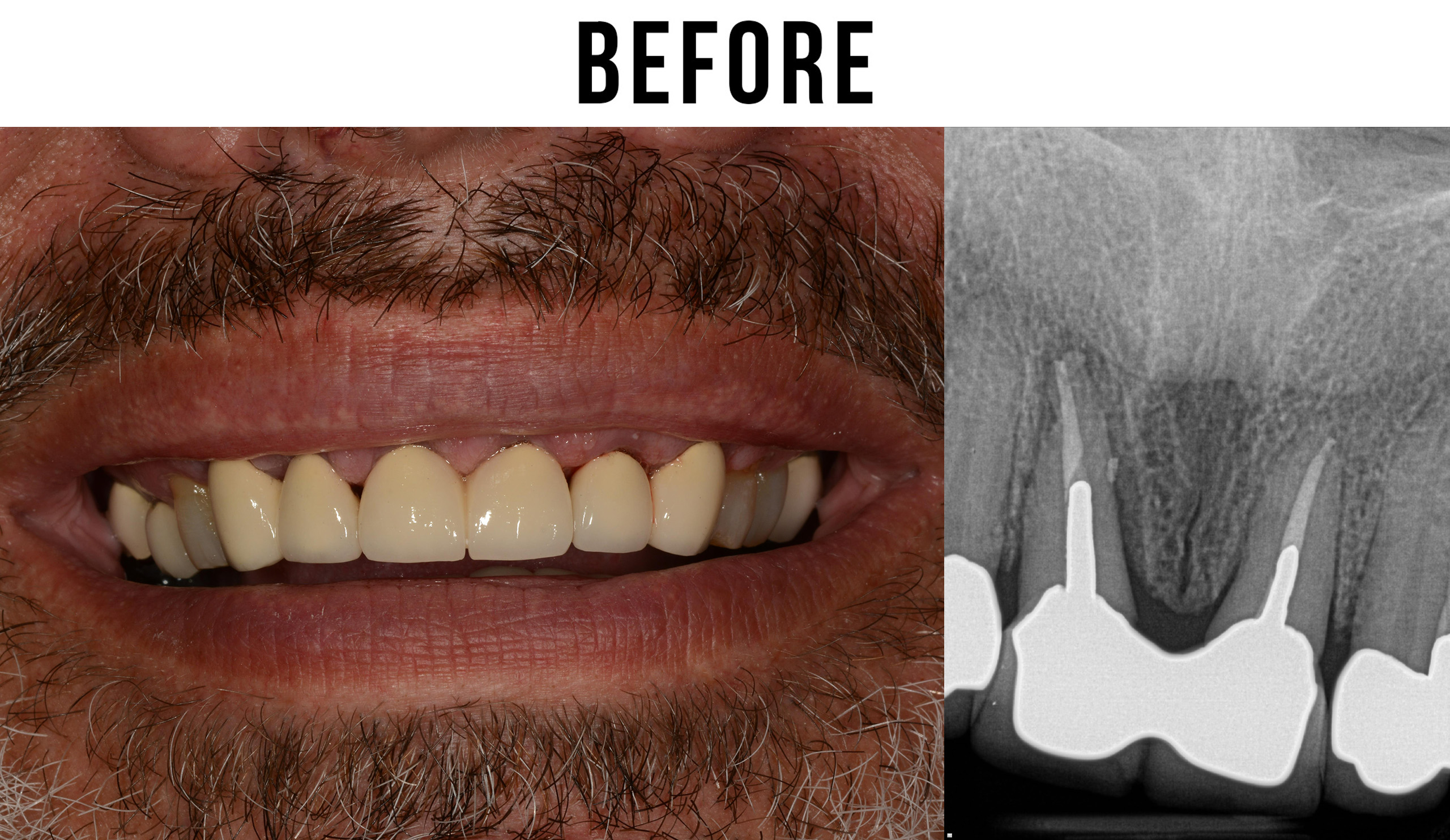
Failed Dental Bridge Replaced with Dental Implants
This patient came to us after experiencing problems with an older dental bridge. One of the teeth supporting the bridge had fractured and developed infection, causing the entire restoration to become loose and unstable.
While dental bridges can be an excellent treatment option, they depend on the health of the supporting teeth. When one of those teeth fails, the entire bridge can be compromised.

After careful evaluation, we removed the failing bridge and replaced the compromised teeth with dental implants. Once healing was complete, a new implant-supported restoration was fabricated to restore both function and appearance.

Today the patient is able to chew comfortably, maintain a healthy smile, and avoid the ongoing problems associated with the failing bridge.
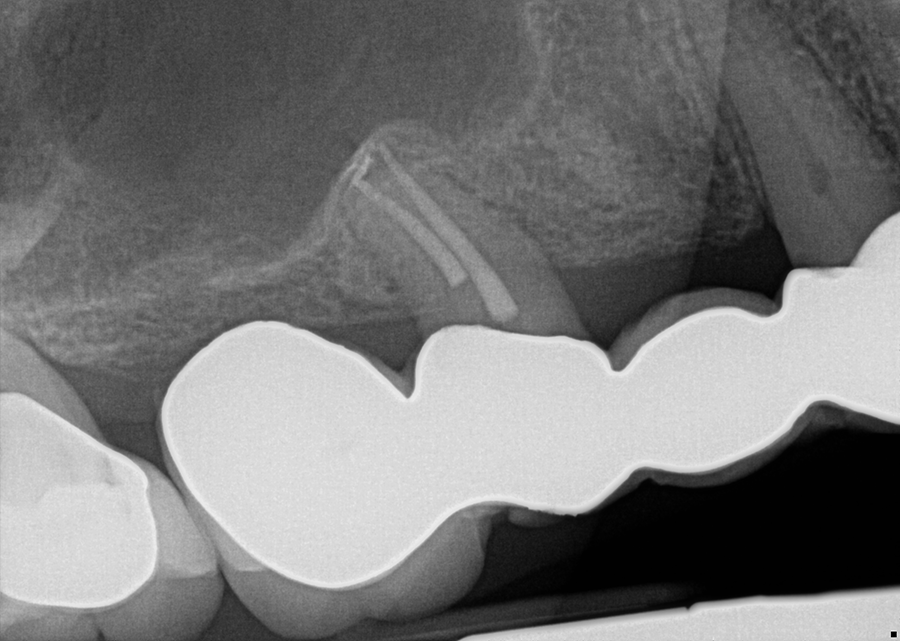
Fractured Tooth Under Existing Bridge
The patient came to us after one of the teeth supporting her bridge fractured. The bridge could no longer function properly and required reconstruction.


After healing, a new implant-supported bridge was completed, restoring strength and function.
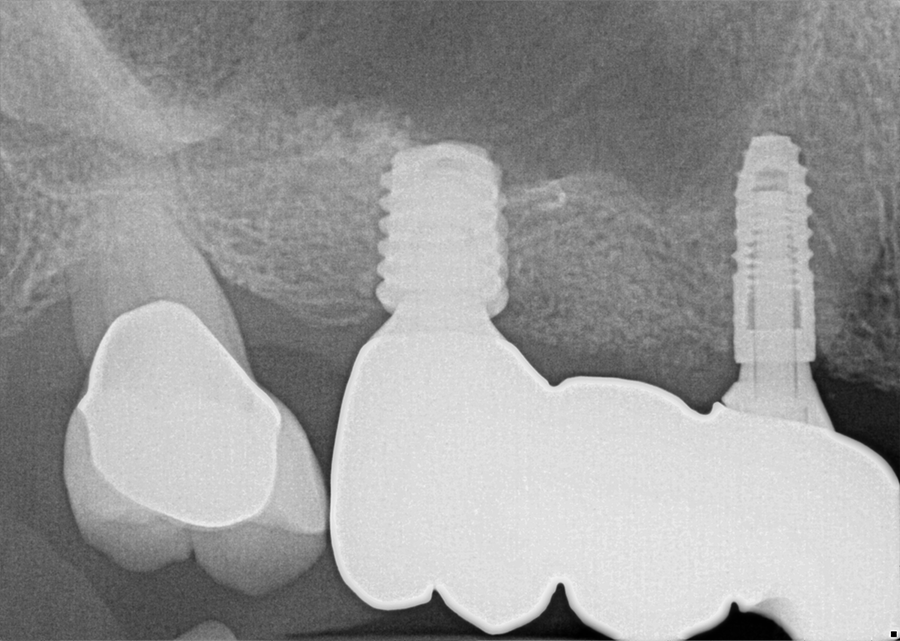
The completed bridge restored comfort, function, and appearance, allowing the patient to smile and chew with confidence again.
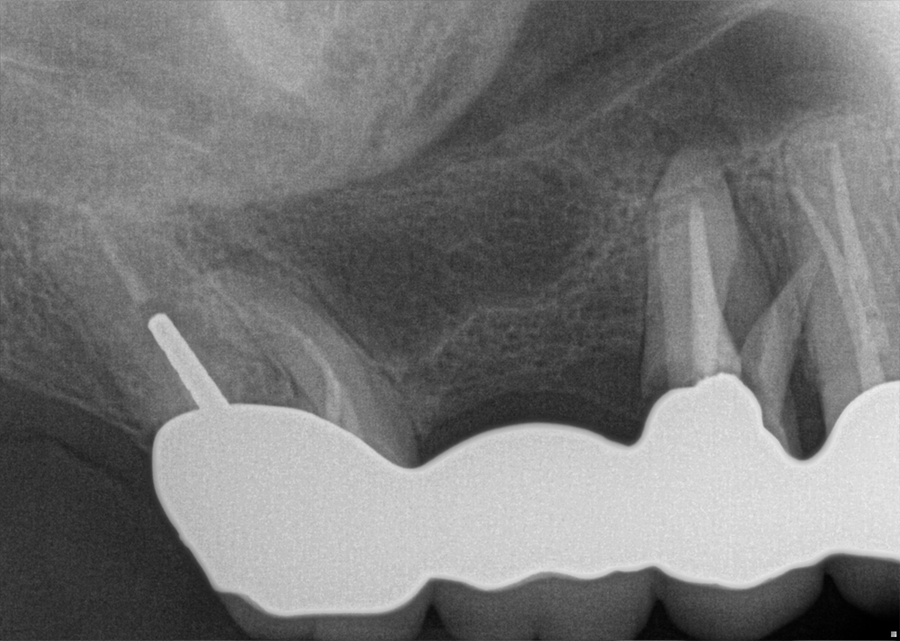
Infection Under a Long-Standing Dental Bridge
This patient came to our office with a failing bridge caused by a fractured tooth root and infection underneath one of the bridge supports.


After healing, implants were placed to restore support. A sinus lift bone graft was also completed in the upper jaw to create the bone needed for long-term implant stability.

After healing, the implants were restored and a new bridge was fabricated. The result was a stable, long-term replacement supported by healthy teeth and dental implants.

The completed bridge restored comfort, function, and appearance, allowing the patient to smile and chew with confidence again.
Decay Under a Bridge Support Tooth
This patient presented with a three-unit bridge that had served him for many years. Unfortunately, a cavity developed beneath one of the supporting teeth, and the bridge became loose. Because the bridge depended on that tooth for support, the entire bridge became compromised.


After healing, the implants were restored and a new implant-supported bridge was delivered, eliminating the need to rely on compromised natural teeth for support.

The completed bridge restored comfort, function, and appearance, allowing the patient to smile and chew with confidence again.
Periodontal Disease on Bridge Support Tooth → Bridge Salvaged with Implant Replacement
A three-unit bridge was failing because one of the supporting teeth developed advanced periodontal disease and could no longer predictably support the restoration.


The patient was able to keep the healthy portion of the original restoration while replacing the failing support tooth with a dental implant.

Not every failing bridge requires complete replacement. Sometimes a strategic combination of bridge modification and implant therapy can preserve healthy dentistry while reducing treatment complexity and cost.
Front Bridge Saved Without Replacing Everything
A patient presented with a failing front bridge. Extensive decay had developed beneath the lateral incisor and canine that supported the bridge. While two teeth were compromised, the central incisor remained healthy.


Instead of replacing the entire bridge, we preserved the healthy tooth structure, replaced only the unsalvageable tooth with an implant, and restored the remaining teeth individually for a more predictable long-term solution.

A failing bridge does not always mean starting over. With careful planning, healthy teeth can often be preserved while only the damaged portions are replaced.
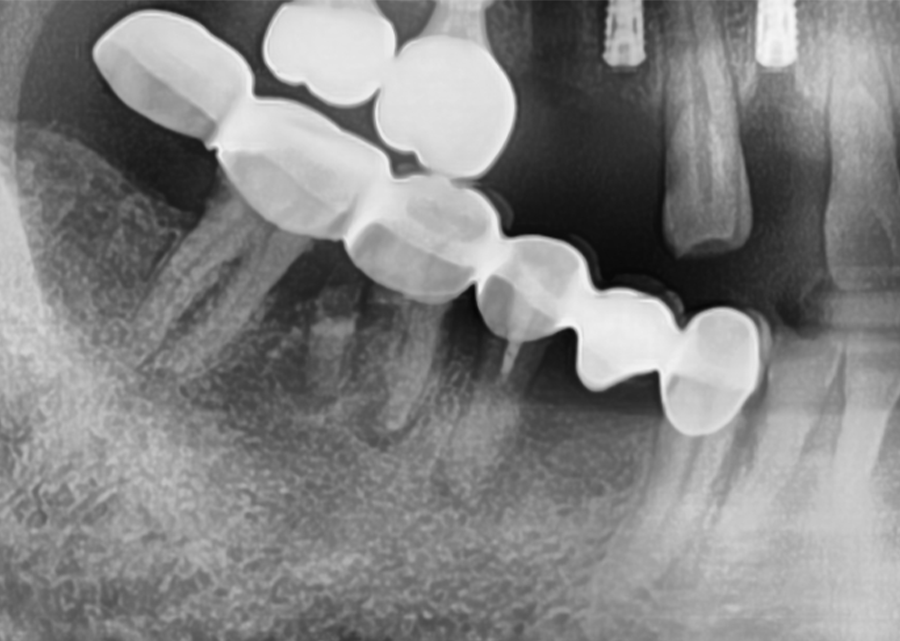
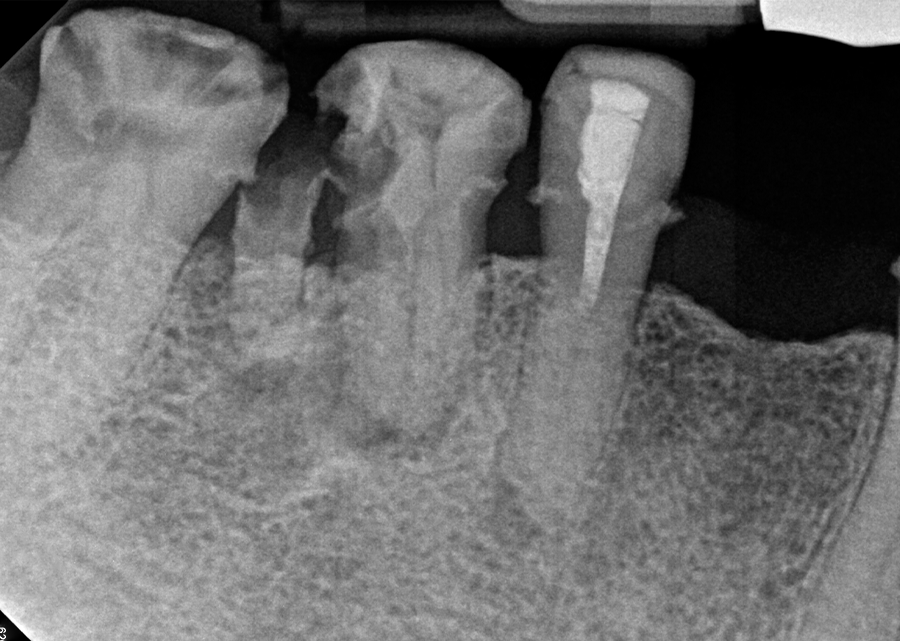
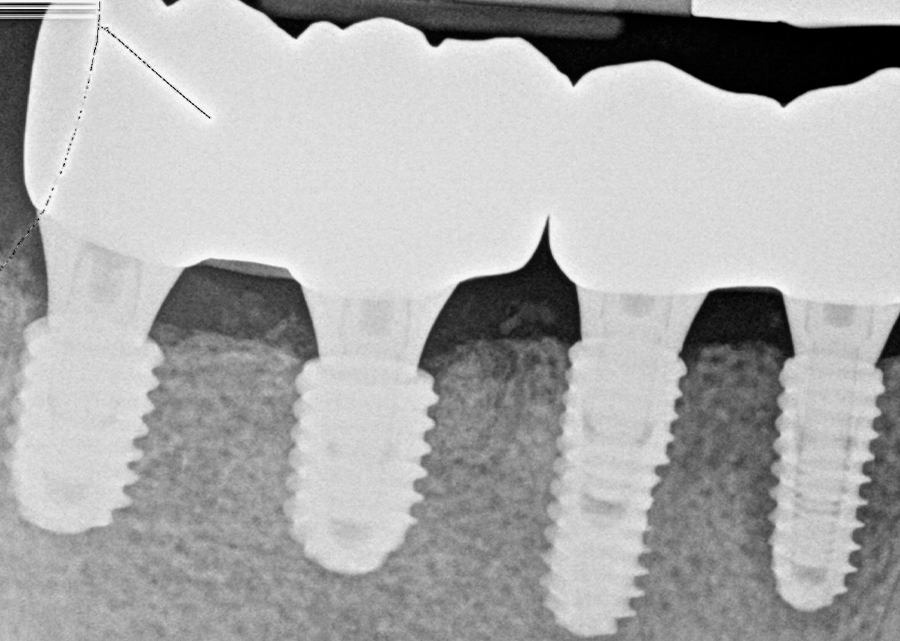
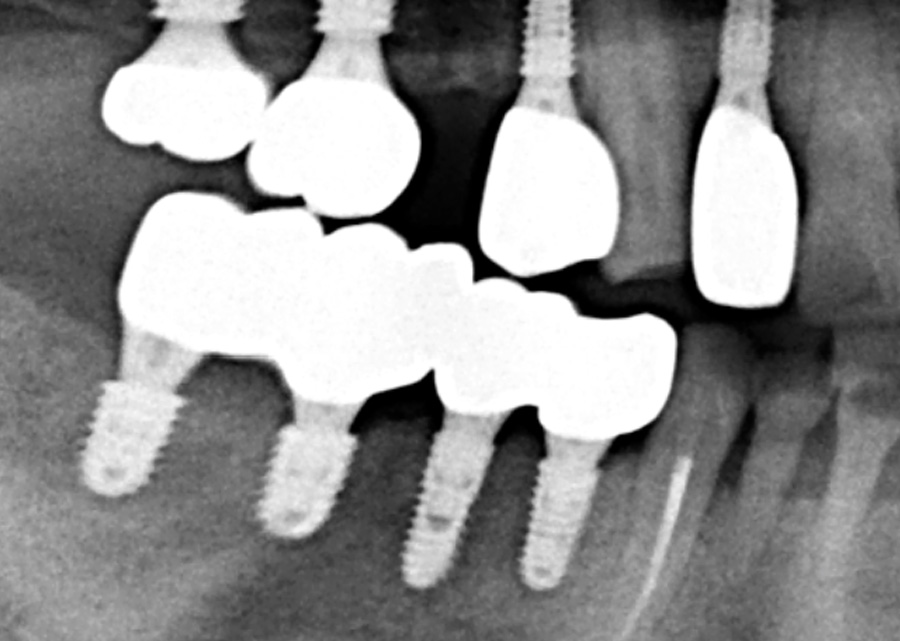
When a Bridge Cannot Be Saved
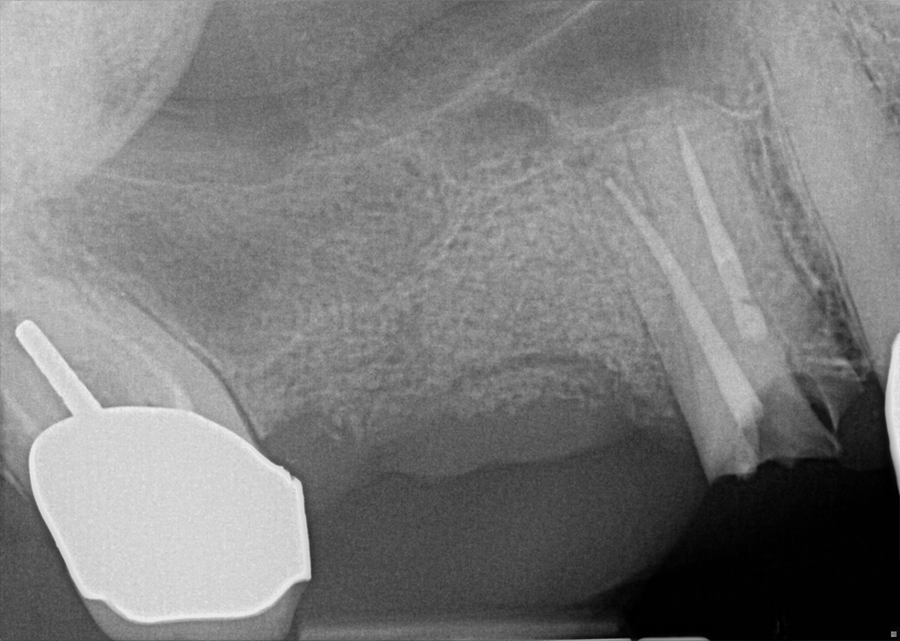
A patient presented with a large lower bridge supported by multiple failing teeth. While the bridge appeared functional from the outside, hidden decay and infection had compromised the supporting teeth.


After carefully removing the bridge, it became clear that none of the remaining support teeth could be predictably restored.

The completed bridge restored comfort, function, and appearance, allowing the patient to smile and chew with confidence again.

Key Takeaway:
A dental bridge can look stable on the outside while serious decay or infection is hidden underneath. In this case, the most predictable long-term solution was not another repair. It was removing the failing teeth, rebuilding the foundation with dental implants, and restoring the patient’s bite with a fixed implant-supported bridge.
When Constant Repairs Stop Making Sense
Helen had a long-span upper bridge that had been maintained for years with root canals, crowns, and repeated repairs. While individual teeth could still be treated, the bridge continued to become less stable over time.

After evaluating the remaining teeth and long-term prognosis, we removed the failing teeth and rebuilt the upper arch with a fixed implant-supported restoration.
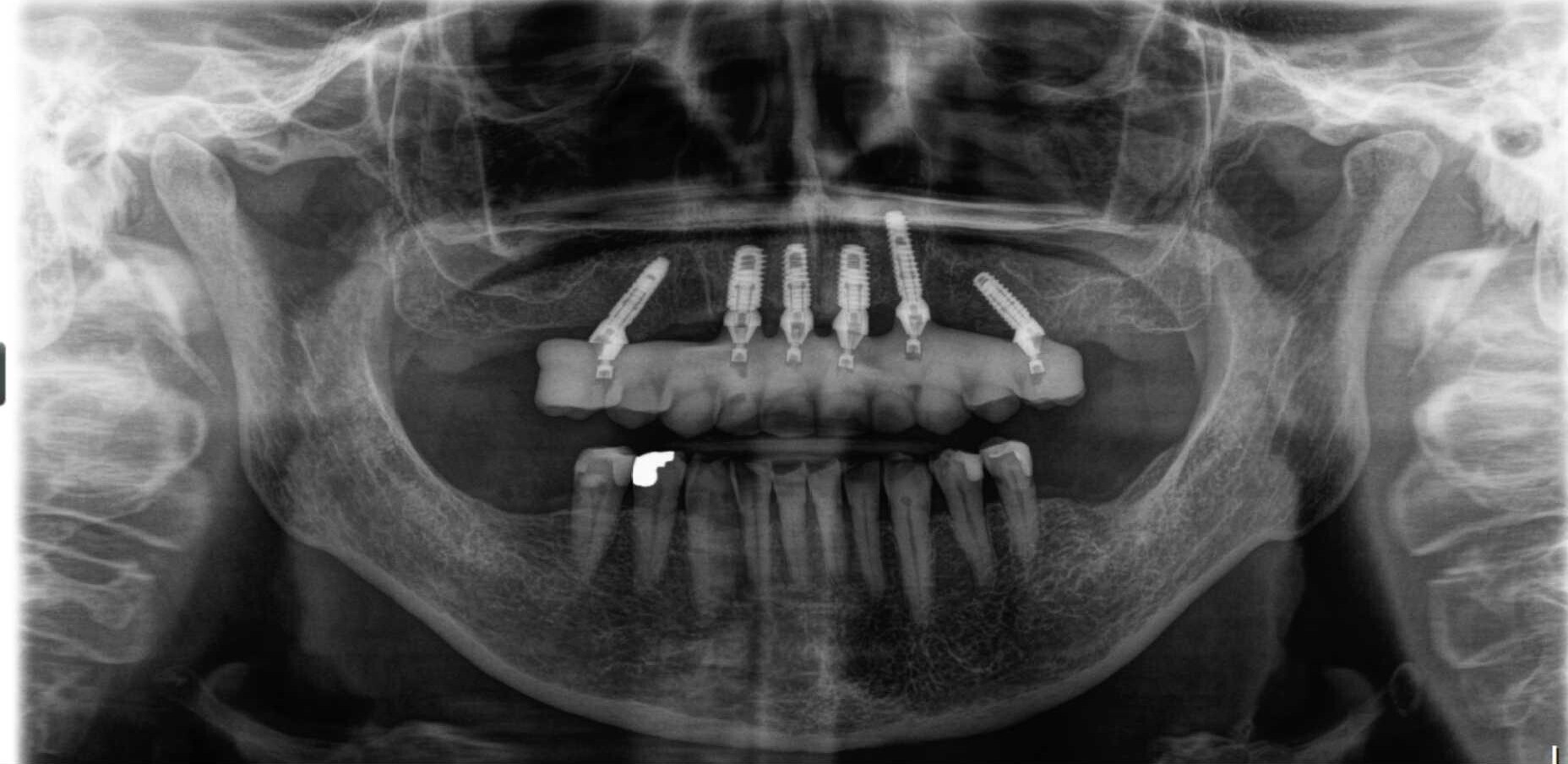
Breaking the Bridge Cycle
Patient presented with an existing three-unit bridge replacing a missing tooth. The bridge became loose due to decay developing beneath one of the supporting teeth. Although only one tooth had failed, the entire bridge restoration was compromised.

Traditionally, treatment would involve preparing the supporting teeth again and fabricating another bridge. This approach can create a cycle where a problem affecting one tooth eventually impacts multiple teeth.
Instead, the failing tooth was treated individually and an implant was placed to replace the missing tooth.
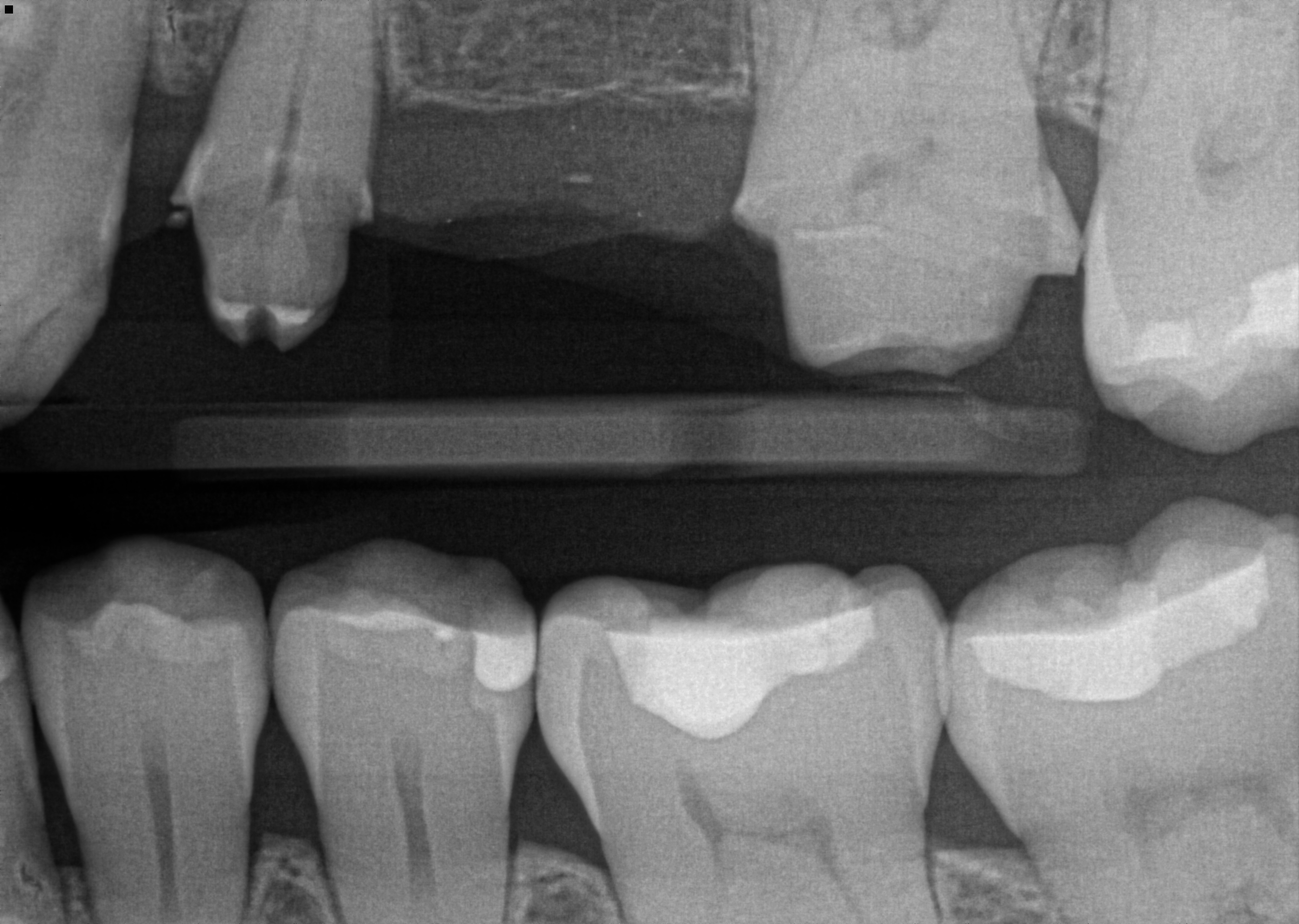

Preserving Healthy Teeth Instead of Replacing Everything
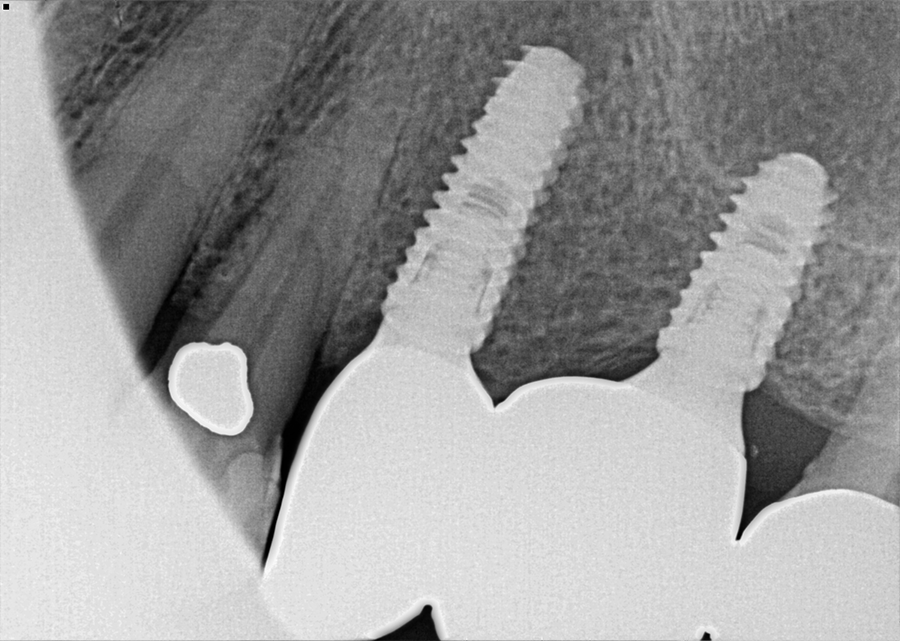
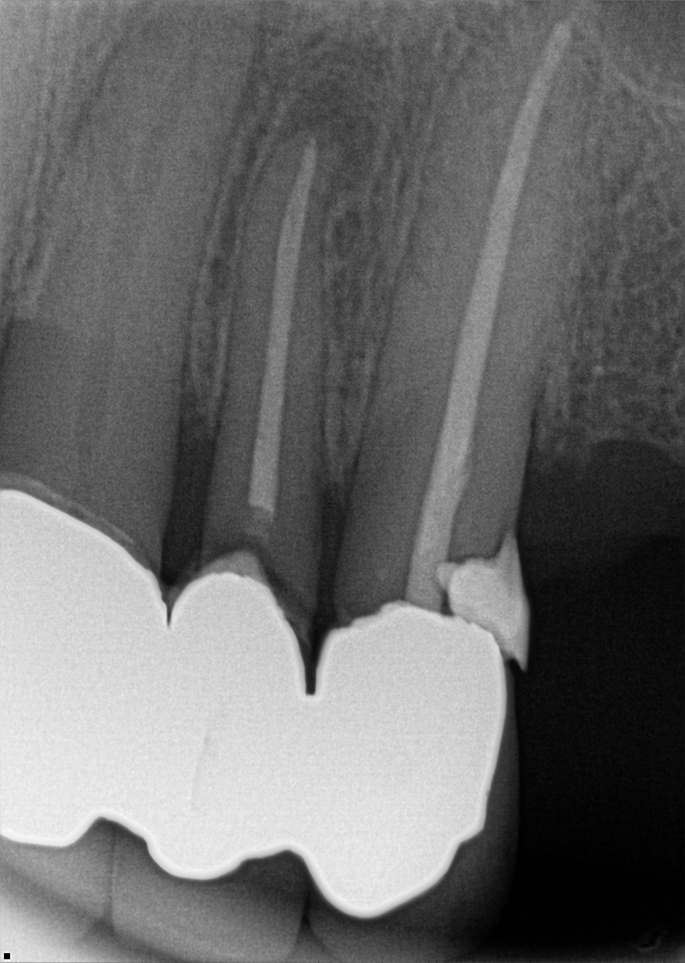
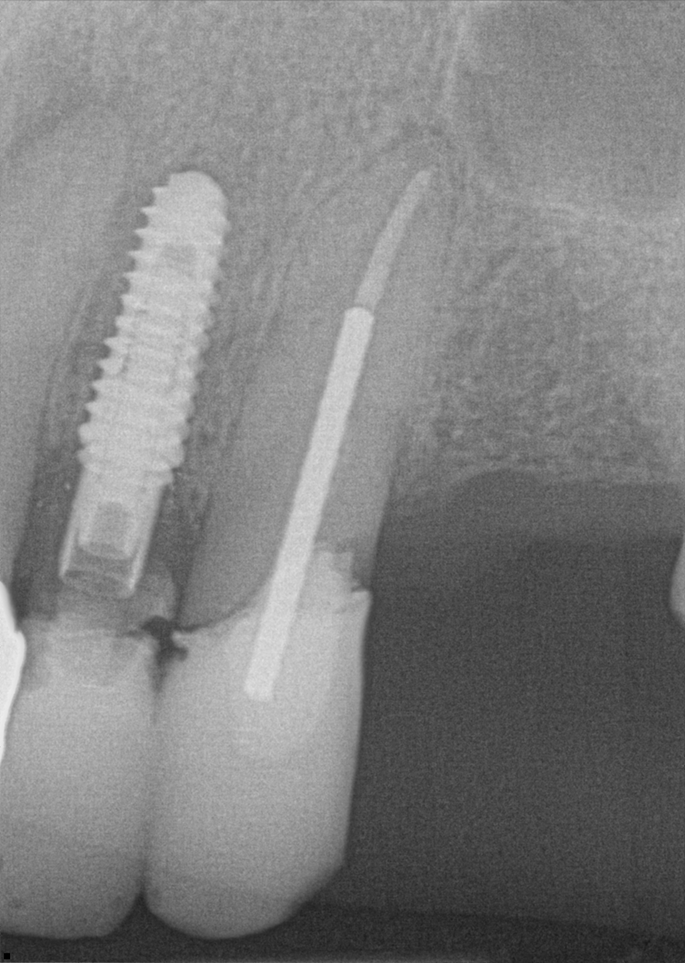
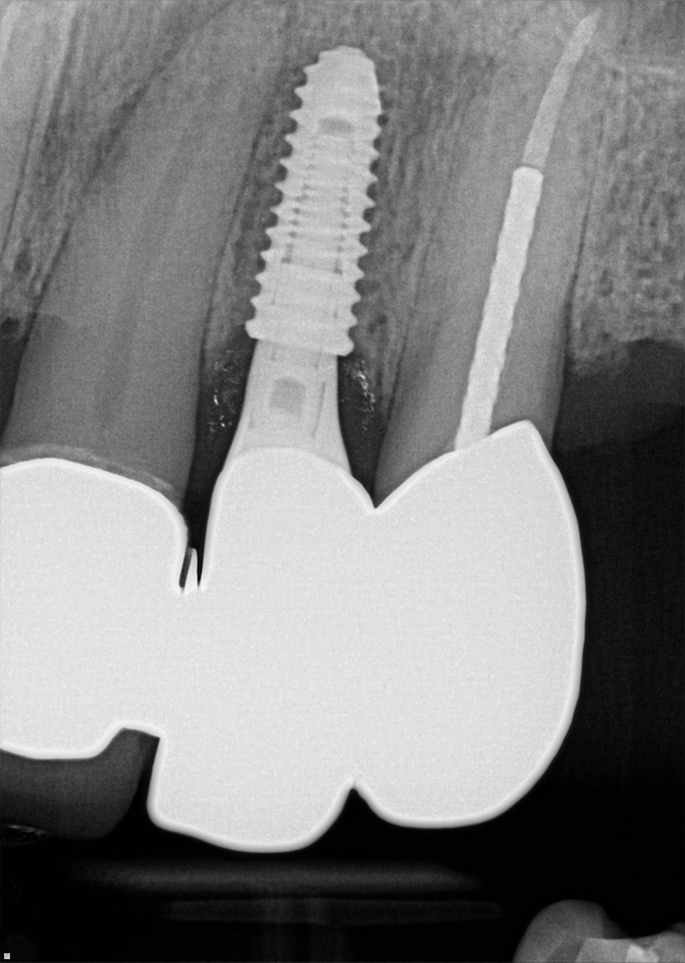
The patient presented with a bridge from #5–#9 and pain around tooth #5. Evaluation showed extensive decay under the bridge at #5, making the tooth non-restorable, while the #8–#9 portion remained healthy.
Rather than removing the entire bridge, the healthy #8–#9 segment was preserved. Tooth #5 was extracted, implants were placed at #5 and #7, and a new implant-supported bridge was completed to replace only the failing portion.


Replacing a Failing Bridge Without Extensive Treatment
This patient presented with an aging bridge that had served for many years but was showing visible wear, exposed metal margins, recurrent cavities, and declining esthetics. Rather than pursuing more aggressive treatment, the existing supporting teeth remained healthy and functional.

The old bridge and cavity was removed and replaced with a new restoration designed to improve appearance, comfort, and long-term maintainability while preserving the patient's natural teeth.

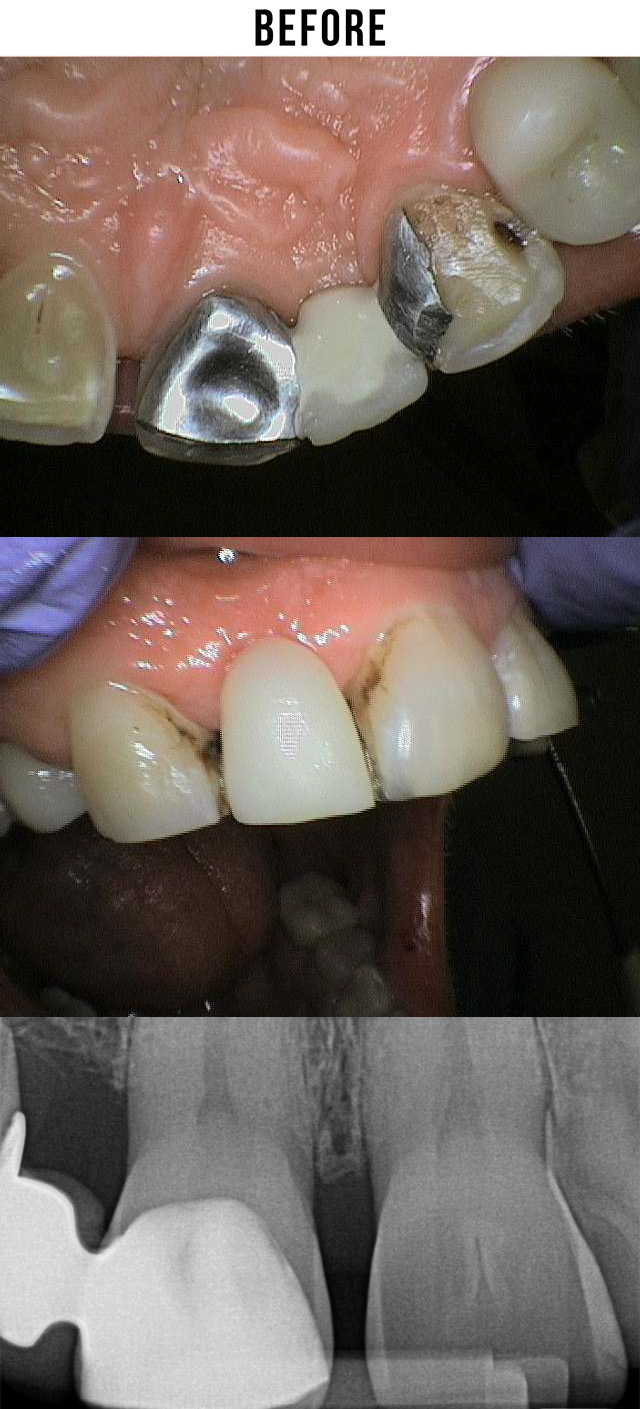
Replacing an Aging Front Bridge
This patient presented with an older anterior bridge that had developed recurrent decay around the margins and visible deterioration of the supporting restorations.

After careful evaluation, the failing restoration was removed and the underlying teeth were treated and restored. A new bridge was fabricated to improve esthetics, fit, and long-term function.

The final result restored a healthier appearance, improved tissue contours, and a more natural smile while preserving the patient's existing teeth.
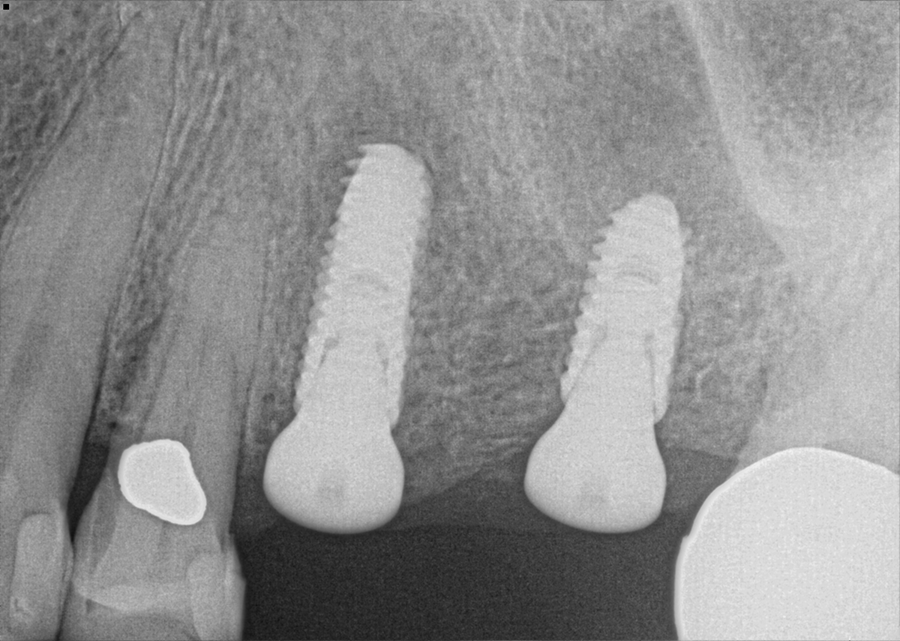
Persistent Pain from a Fractured Bridge Abutment Treated with Implant Reconstruction
This patient presented with persistent pain associated with an existing porcelain-fused-to-metal bridge spanning teeth #29-31.
Clinical and radiographic evaluation revealed a vertical root fracture involving tooth #29. The fracture extended along a previously placed post and core, making the tooth non-restorable and the source of the patient’s ongoing discomfort.

Rather than replacing the entire restoration, the existing bridge was carefully sectioned.

Tooth #31 remained healthy and was preserved as an individual crown. The fractured tooth was removed, and implants were placed at #29 and #30 to restore the missing teeth while maintaining the healthy #31 restoration.

By preserving what was healthy and replacing only what was necessary, the patient was able to achieve a stable, long-term solution. Following treatment, the pain completely resolved and function was restored with implant-supported crowns.

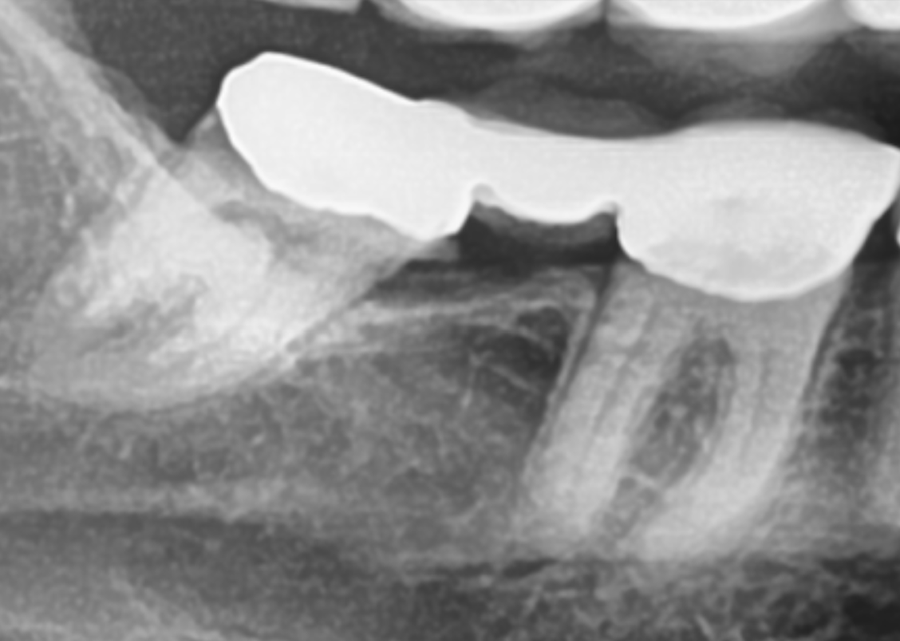
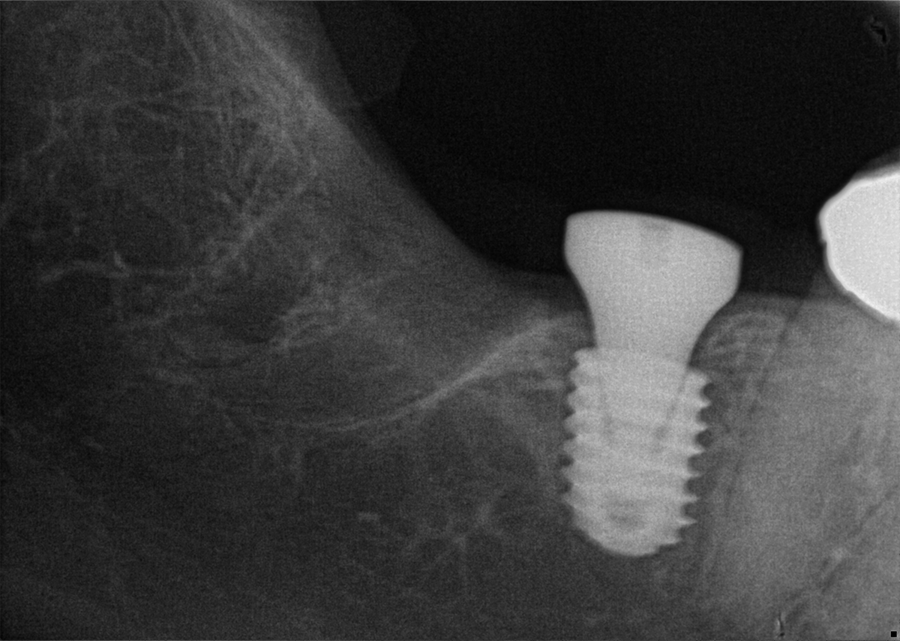
Persistent Pain from a Fractured Bridge Abutment Treated with Implant Reconstruction
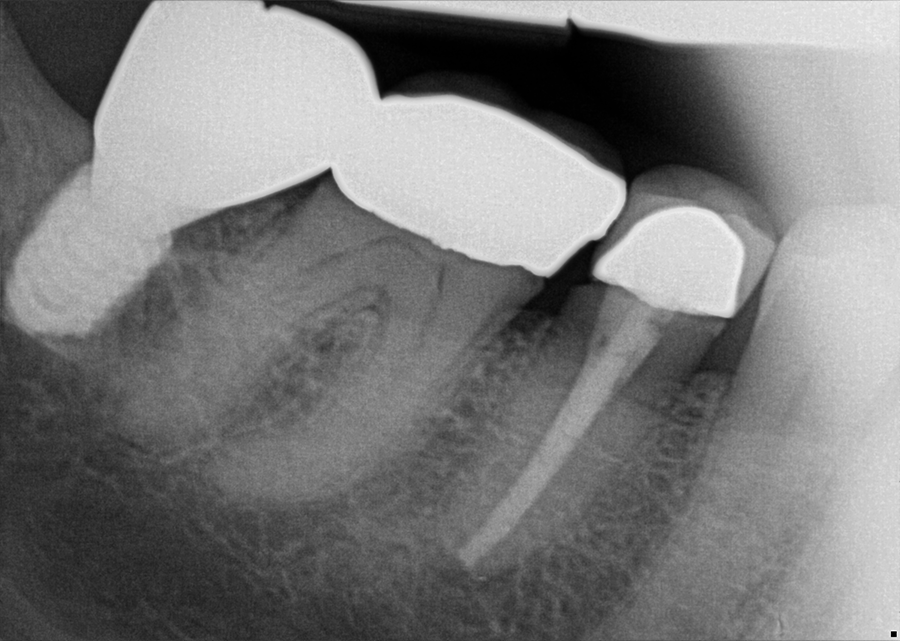
This patient presented to our office with persistent pain associated with a lower bridge spanning teeth #18-20.
Prior to arriving at our office, the patient had already undergone root canal therapy on tooth #20 by an outside provider in an effort to eliminate the pain and preserve the existing bridge.

Despite the treatment, the patient's symptoms never fully resolved. A comprehensive evaluation revealed that the underlying problem was not simply the nerve of the tooth.

Decay beneath the bridge had severely compromised the supporting tooth, leaving it with a poor long-term prognosis. The existing bridge was carefully sectioned and removed.

The compromised tooth was removed, while the healthy restoration on #18 was preserved. Implants were placed at #19 and #20, restoring comfort, stability, and long-term function.

Key Takeaway: A painful bridge can’t always be fixed with a root canal alone. Finding the true problem is key to long-term success.
When a bridge begins to fail, simply replacing the bridge is not always the best solution.Sometimes a tooth can be saved.
Sometimes a root canal is necessary.
Sometimes a fractured tooth must be removed and replaced with a dental implant.
Sometimes a combination of treatments provides the most predictable long-term result.
Our goal is to determine the treatment that gives you the best chance of keeping a healthy, functional smile
for years to come.